
AC Unit Not Cooling: Troubleshooting Guide
When your AC unit blows air but refuses to cool your home, you’re likely dealing with several common culprits that plague Canadian homeowners. Effective AC troubleshooting starts with understanding the components that could be failing you.
The usual suspects? A malfunctioning compressor, incorrect thermostat settings, or low refrigerant levels. Each plays a role in your system’s ability to transform hot air into cool relief. What makes this situation particularly maddening is that your system appears to be working—after all, air is moving—yet your home remains uncomfortably warm.
Before you reach for the phone to call an HVAC professional, knowing what might be wrong can save you time and money. Some issues have surprisingly simple solutions, while others require expert attention. Let’s explore the main reasons your AC might be letting you down when you need it most.
Compressor Failure Signs
Your AC compressor circulates refrigerant throughout the unit to facilitate heat exchange. When the compressor malfunctions, your system may continue to run and blow air, but it won’t cool your home effectively.
Grinding or clattering sounds from the outdoor unit are red flags. Frequent cycling on and off or consistently warm air despite cool settings suggest underlying compressor problems. These symptoms indicate your AC unit is struggling to maintain comfortable temperatures.
Regular maintenance can reduce stress on your compressor and enhance overall system efficiency. This includes routinely cleaning or replacing air filters and having refrigerant levels checked by a professional. Neglecting these maintenance tasks can lead to premature compressor failure, which is one of the more expensive AC repairs homeowners may face.
Thermostat Diagnostics
Have you ever felt warm air blowing from your AC when you’re expecting a cool breeze? The culprit might be your thermostat. As the control center for your AC system, it signals when to begin cooling your home—and when it malfunctions, cooling problems follow.
Not all thermostat issues are created equal. Some may simply be due to being set to “fan only” mode, which circulates air without activating the cooling cycle. Others involve depleted batteries causing erratic behaviour or faulty temperature sensors misreading your home’s actual temperature.
Troubleshooting is straightforward. First, check your thermostat settings and confirm it’s on “cool” mode with the target temperature set lower than the current room temperature. Replace batteries if applicable. In some instances, recalibrating the thermostat or relocating it away from heat sources or direct sunlight can restore its accuracy. When DIY solutions fall short, the thermostat may need professional inspection or replacement.
Refrigerant Leaks and System Performance
Refrigerant absorbs heat from your indoor air and releases it outside, making it a key component of the cooling process. When your AC struggles to cool, low refrigerant levels—often caused by leaks in the system—can turn your cooling system into a noisy fan.
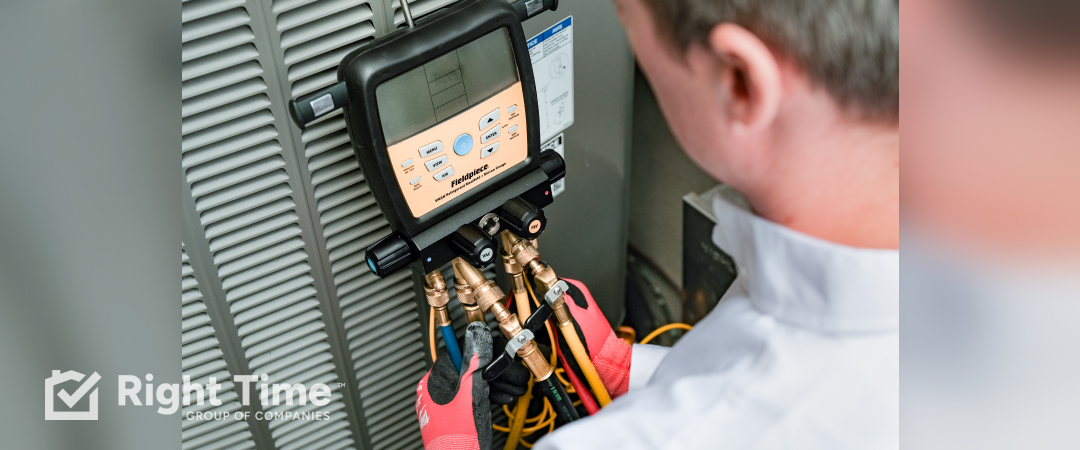
Listen for hissing sounds near refrigerant lines or watch for ice buildup on coils and evaporator lines—indicators of a potential leak. Reduced cooling efficiency is another sign. Addressing refrigerant issues requires professional service, as technicians must locate and repair any leaks before recharging the system to the correct level.
Airflow also affects your system’s efficiency. Clogged air filters can choke your AC’s performance, restricting cool air circulation. Aim to replace these filters every one to three months, depending on your home’s dust levels and pet presence. Frozen evaporator coils caused by poor airflow or low refrigerant can hinder cooling and require the system to be turned off to thaw.
Additional Factors and Professional Maintenance
Beyond refrigerant, filters, and key components, other performance barriers exist within your system. Dirty condenser coils on the outdoor unit can prevent proper heat release and need regular cleaning to maintain efficiency.
Electrical issues such as faulty wiring or tripped circuit breakers can also prevent the compressor from operating properly, leaving you with a system that blows air but provides no cooling relief.
Scheduling a professional HVAC inspection and tune-up each spring ensures your system is ready for the warmer months ahead. Regular professional maintenance could be the difference between comfort and frustration when temperatures rise. For more details, you can check Bryant’s guide on AC not blowing cold air.
Enhance Your Home’s Comfort
Enhance your home’s comfort with expert services from Furnasman. If you’re facing issues with your air conditioning, it’s crucial to have a reliable team to call. At Furnasman, we specialize in ensuring your AC runs smoothly, providing both repairs and regular maintenance to keep your system efficient. Our team is dedicated to diagnosing and resolving issues quickly, preventing costly repairs down the line. Trust us to handle your HVAC needs with professionalism and care. For top-notch air conditioning repair in Winnipeg, choose Furnasman and experience unparalleled service in Manitoba, Winnipeg.