
Why Your Furnace Won’t Heat Past 63 Degrees Despite Flames
Your furnace ignites and produces flames, yet your home stubbornly refuses to heat beyond about 63°F, even when the thermostat is set to 72°F. This frustrating scenario leaves many Manitoba homeowners puzzled, especially when they can clearly see the burner operating and feel warm air from the vents initially.
The presence of flames indicates your furnace’s combustion system is working, but something is preventing proper heat distribution or causing the system to shut down prematurely. Understanding why this happens can help you identify the culprit and restore comfortable temperatures to your home.
Airflow and Thermostat Issues
Restricted airflow often causes furnaces to cycle off before reaching desired temperatures. When air filters become clogged with dust and debris, the system struggles to circulate heated air effectively. Manitoba’s dry winter conditions can accelerate filter buildup, forcing your furnace to work harder while delivering less heat.
A malfunctioning thermostat presents another common culprit. If your thermostat is improperly calibrated, positioned near drafts, or experiencing wiring issues, it may signal the furnace to shut off too early. The fan setting can also create problems. Running on “fan” instead of “auto” circulates air continuously and can make the home feel cooler between heating cycles.
Check your air filter first and replace it if dirty. Make sure your thermostat is away from drafts or direct heat sources and is set to the correct mode (heat) with the fan on auto. Digital thermostats typically provide more accurate temperature readings than older analog models.
System Sizing and Gas Supply Problems
An oversized furnace can create short cycling issues where the unit heats quickly but shuts off before distributing warmth evenly throughout your home. This problem is particularly common in older Winnipeg homes that have been retrofitted with high-efficiency models without proper sizing calculations.
Fuel supply or burner-related issues can also limit heating capacity, even if you can see flame. Because gas components and pressure-related issues require specialized testing, this is a situation where a licensed technician should diagnose the cause.
Ductwork problems compound these issues, especially in older homes with leaky or poorly insulated ducts. Heated air escapes before reaching living spaces, leaving you with inadequate temperature rise despite active flames. Cold basements and uninsulated ductwork in attics worsen heat loss significantly.
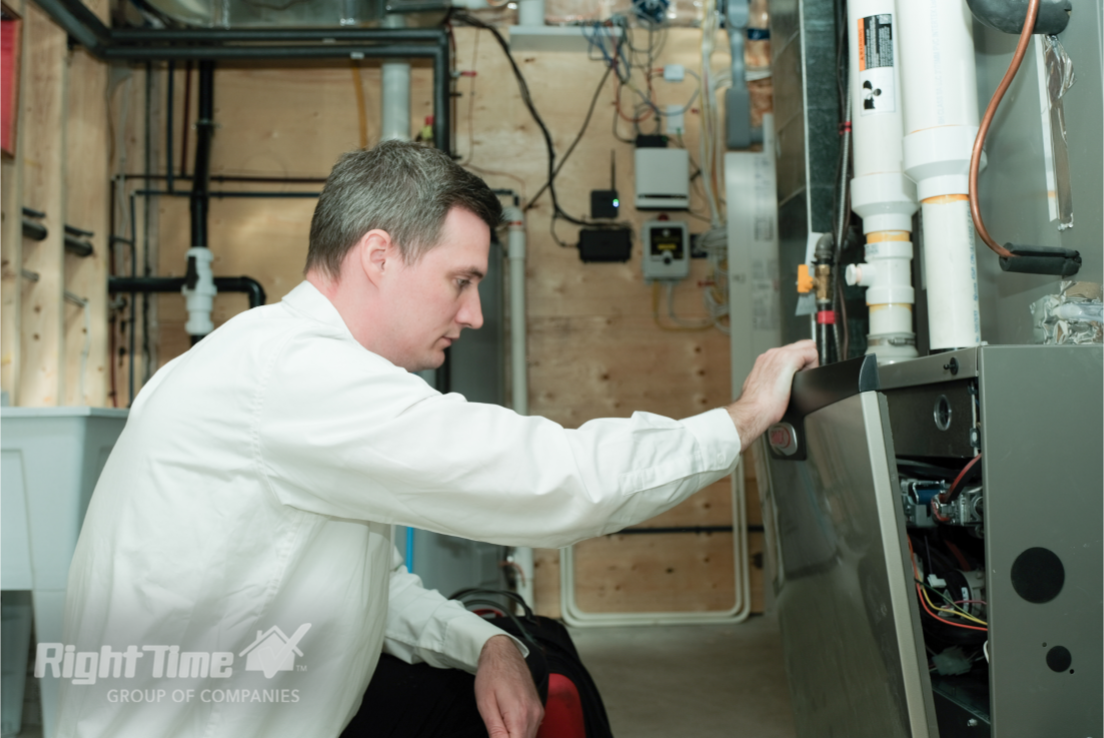
If you suspect airflow or duct issues, note any rooms that stay colder, any weak airflow from vents, and whether the furnace is cycling on and off frequently. A technician can confirm airflow, check for duct leakage, and recommend the safest fix. For persistent problems or suspected gas pressure issues, professional assessment ensures both safety and proper diagnosis of complex system interactions.
Get Your Furnace Working Again!
If your furnace won’t heat past 63 degrees despite flames, it may be time to call in the experts at Furnasman in Winnipeg, Manitoba. We understand how frustrating it can be when your home is not as warm as it should be. Our skilled technicians can diagnose and resolve issues related to airflow, system sizing, and gas supply problems. Don’t let chilly temperatures take over your home. For reliable and professional furnace repair in Winnipeg, contact Furnasman to diagnose the cause and recommend the right fix.