
Heat Pump Replacement Guide for Cold Climate
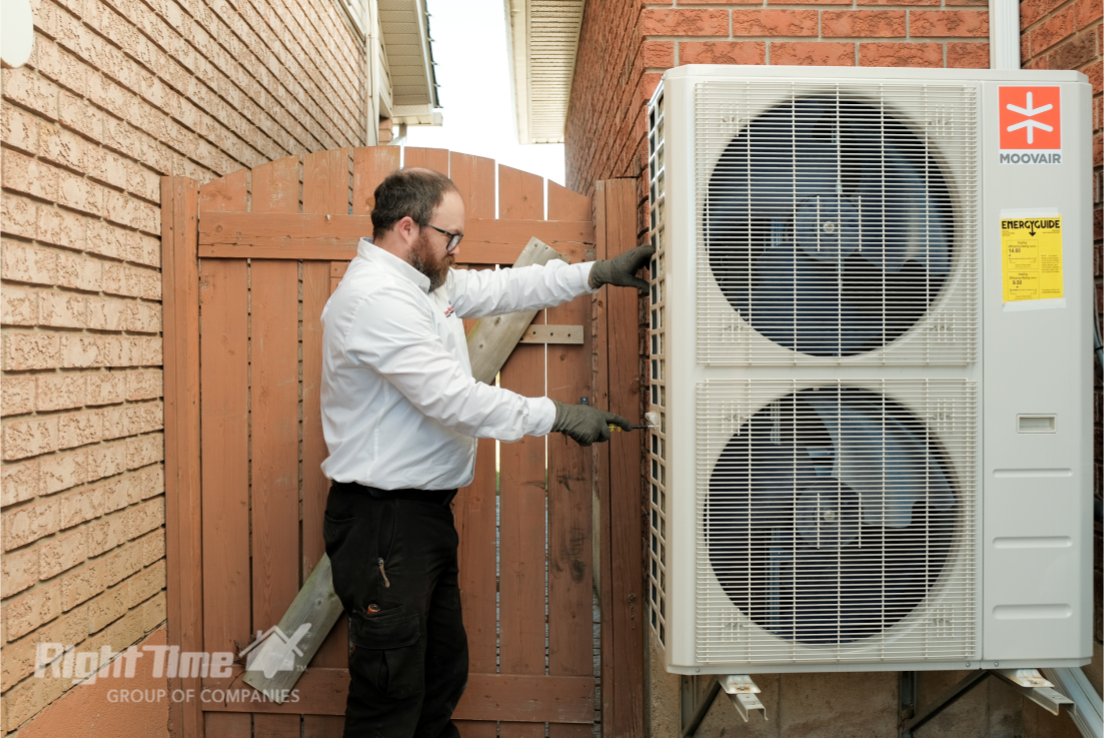
Cold climate air source heat pumps offer two primary configurations: centrally ducted systems that integrate with existing ductwork, and ductless systems that provide flexibility for buildings lacking traditional ducts. These specialized units operate efficiently in Canada’s harshest conditions, functioning reliably down to -25°C or -30°C depending on manufacturer specifications.
Beyond technical specifications, the financial equation presents compelling advantages. While initial installation costs exceed conventional heating systems, the long-term energy savings often justify the investment. Annual heating expenses typically decrease compared to electric, propane, or fuel oil alternatives, and your building’s carbon footprint shrinks through cleaner energy utilization. Smart business owners also investigate available rebates from programs like Efficiency Manitoba, which offers incentives for energy-efficient installations.
Evaluating Cold Weather Efficiency
Efficiency in cold weather is an important consideration when selecting a replacement heat pump. Metrics to evaluate include the Heating Seasonal Performance Factor (HSPF), which measures heating efficiency during colder months—units with an HSPF of 10 or more are considered efficient. Another metric is the Coefficient of Performance (COP); at -15°C, a COP of 1.8 or higher is recommended for effective operation. Business owners should look for ENERGY STAR® certified models to ensure high efficiency standards.
Modern heat pumps feature technological advancements such as variable-speed compressors and advanced refrigerants that enhance performance in cold climates. Defrost mechanisms are significant: units with demand-defrost control and advanced defrost algorithms minimize defrost cycles, reducing energy use and maintaining efficiency. Optimized defrost settings and sensors are features for managing condensation during defrost mode. Additionally, verify that the selected heat pump model is rated for operation in your specific climate conditions—ensure the heat pump is tested and rated under CSA standards and installed to meet CSA C448 certification requirements.
Heat Pump Sizing Criteria
Navigating heat pump sizing requires precision. Are your building’s unique characteristics being fully considered? Load calculations following CSA F280 or Manual J standards are vital for matching a heat pump to your specific space.
Oversized units trigger short cycling, dramatically reducing efficiency and shortening the system’s lifespan. Conversely, undersized systems struggle to meet heating demands, leading to reliance on supplementary heat sources. Be aware that some installers may use rule-of-thumb sizing rather than detailed load calculations, potentially leading to improper system sizing. Contractors must evaluate your building’s insulation, window quality, and air sealing before recommending system size.
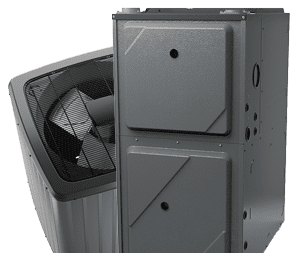
Compatibility is crucial. Assess your existing ductwork and heating infrastructure. Poor duct conditions can hinder even the most advanced heat pump’s performance. Business owners should also consider thermostat compatibility, as advanced heat pumps often work best with smart or communicating thermostats. In cold Canadian regions like Manitoba, hybrid systems pairing heat pumps with gas furnaces offer a solution, ensuring your business stays comfortably heated through the harshest winters.
Cold-Climate Heat Pump Installation Strategies
Certified professionals are important for heat pump installations in cold climates. They ensure precise refrigerant charging and optimal control settings that maintain performance at low temperatures. Experienced installers deliver better long-term performance and fewer call-backs.
Outdoor unit placement requires strategic thinking. Mount units above snow levels, typically on stands or brackets, and avoid areas prone to ice buildup. Roof or platform mounting might be necessary to provide adequate clearance and prevent operational disruptions.
Sound considerations matter for business environments. Most air source heat pumps operate under 60 decibels, minimizing noise interference for employees and neighbouring businesses. Regular maintenance—including filter changes and coil cleaning—will extend the system’s lifespan and preserve efficiency. When selecting a heat pump, prioritize comprehensive warranties and reliable service support to protect your investment. Additionally, consider using zoning or backup heat sources for areas with high load or poor insulation, optimizing comfort and energy efficiency throughout your commercial space.
Heat Pump Installation Services
For expert heat pump installation in Winnipeg, trust Furnasman to provide exceptional service. Our skilled technicians ensure your system operates efficiently, even in the coldest climates. With Furnasman, you’ll benefit from energy savings and enhanced comfort for your business. We prioritize customer satisfaction and offer comprehensive maintenance plans to extend the life of your equipment. Whether you’re upgrading or replacing, choose Furnasman for reliable and professional installations tailored to your needs. Contact us today to discover how we can optimize your HVAC system for peak performance.